
Nature came first
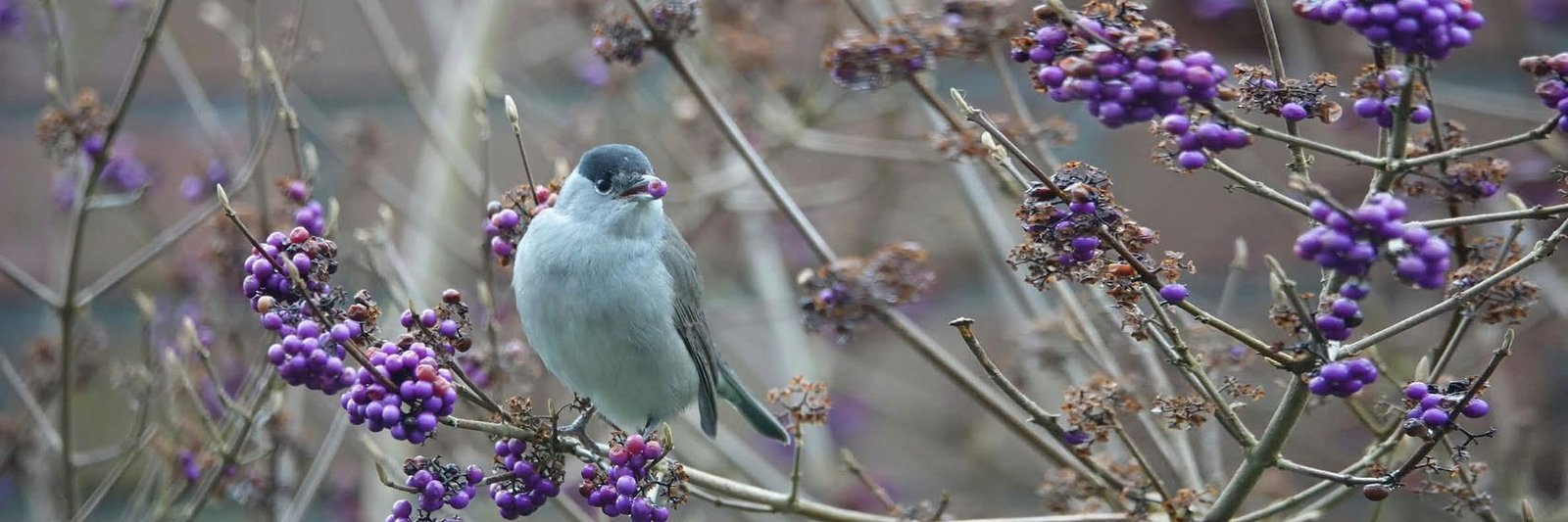
My love of gardening grew out of my love of nature and wildlife. The more time I spent outdoors, the more I wanted to give the creatures around me a safe place to thrive.
Planting somewhere for them to feed, shelter and raise their young soon became a passion, and creating a haven for wildlife is still at the heart of everything I do.
Every garden, however small, can be a haven, for wildlife and for you.

Bringing wildlife into your garden
Whether it is a few pots by the door or a whole garden, we can choose plants and features that welcome wildlife in, while still looking beautiful all year.
Plants for pollinators
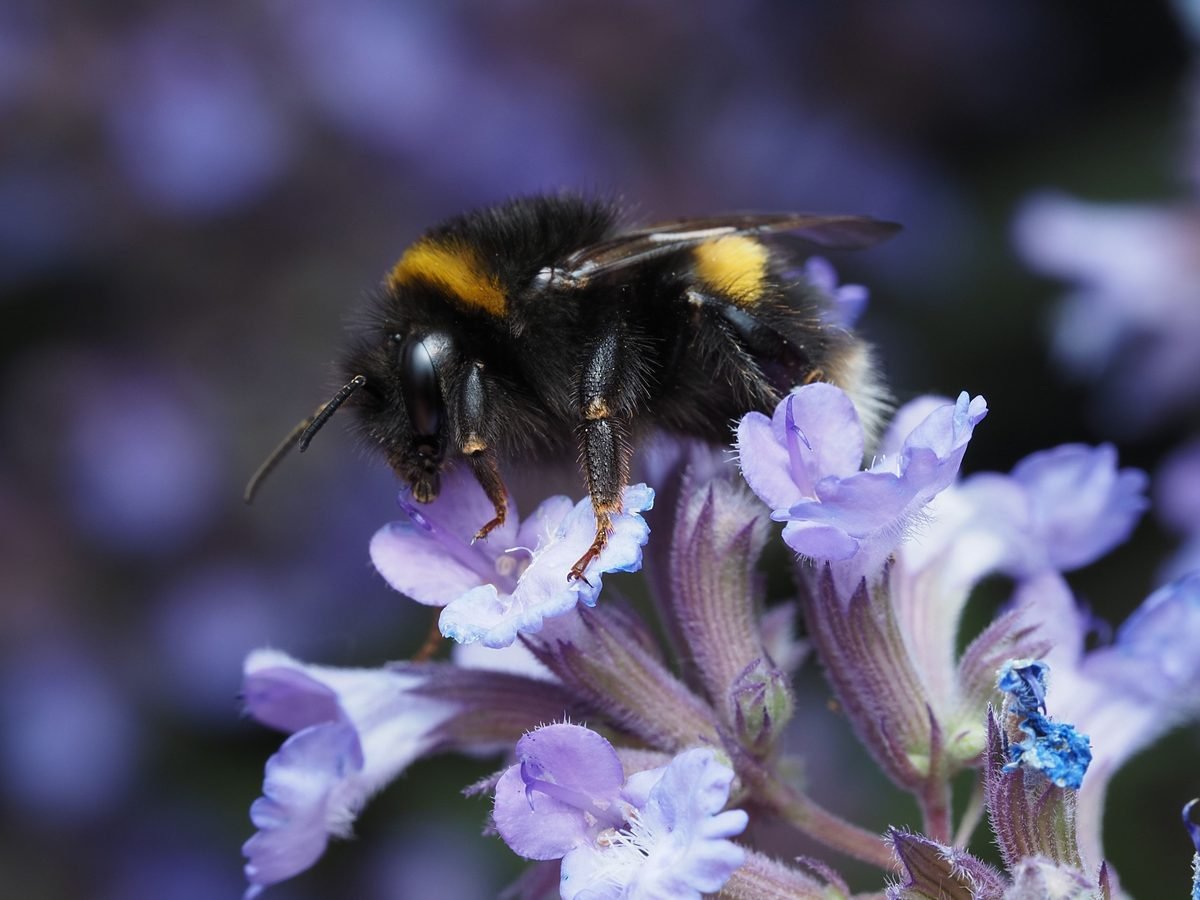
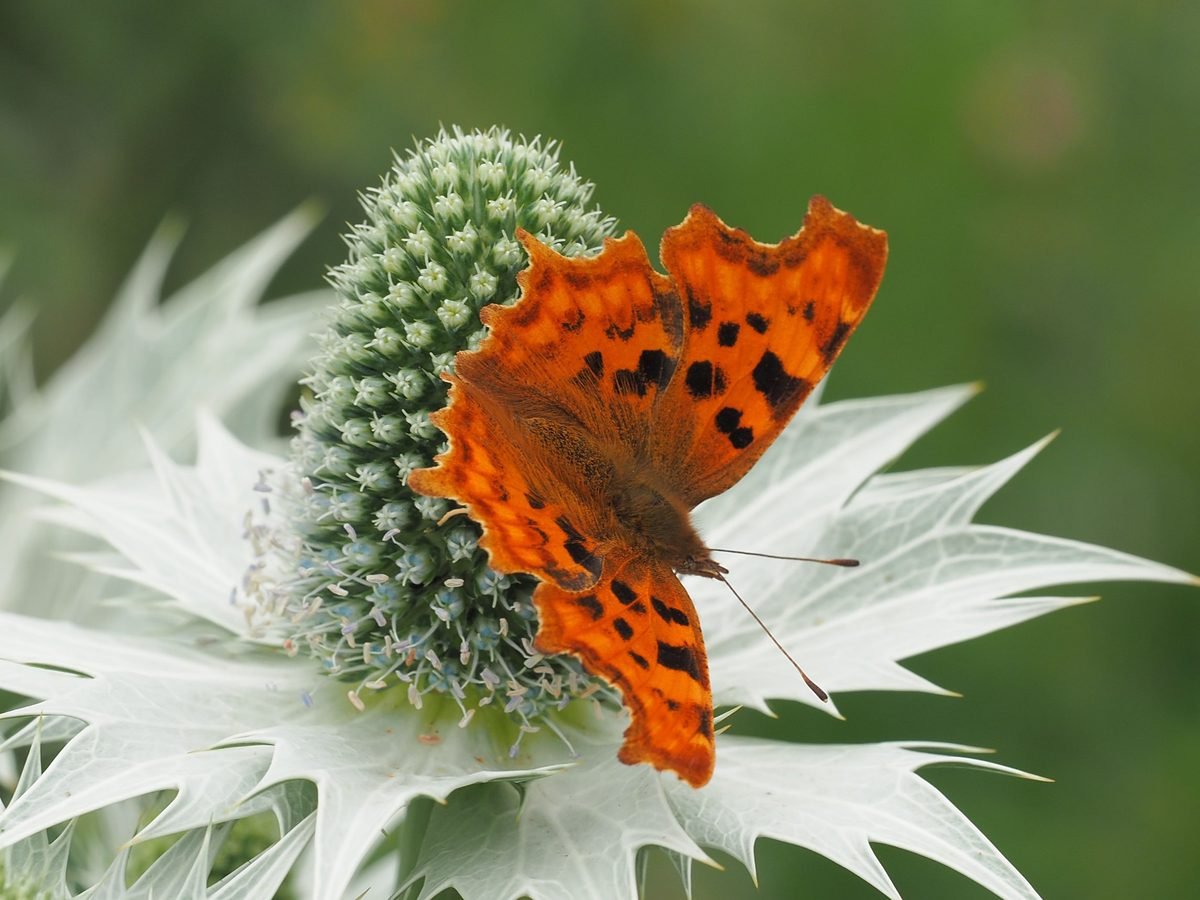
Nectar and pollen-rich flowers chosen to bloom from early spring right through to late autumn, feeding bees, butterflies and hoverflies all season.
Food through the year
Seedheads, berries and hips left standing into winter, so birds and small mammals have something to eat when food is scarce.
Water for wildlife
A wildlife pond, a boggy corner or simply a shallow dish of water for drinking, bathing and breeding.
Shelter and nesting
Native hedging, climbers, log piles, insect hotels and bird boxes, giving wildlife safe places to rest, hibernate and raise young.
Room to roam
Small gaps under fences and connected planting, so hedgehogs and other visitors can travel safely from garden to garden.
A gentler approach
Leaving some areas a little wilder, letting grass grow longer in places, and choosing peat-free compost and pesticide-free care.
Our wildlife needs our gardens
Across the UK, wildlife has been losing the wild places it depends on. Gardens have never been more important, and together they make a huge patchwork of habitat right on our doorsteps.
species assessed in Great Britain are at risk of being lost altogether.
average decline in the UK species studied since monitoring began in 1970.
rural hedgehogs have disappeared from our countryside in the past 20 years.
Britain’s 25.8 million gardens cover more than three times the area of our National Nature Reserves.
Yet around 42% of Britain’s garden space is now paved over. Turning even a small part of it back into planting can make a real difference.
Sources: State of Nature 2023; The State of Britain’s Hedgehogs 2022; RHS garden mapping study, 2025.
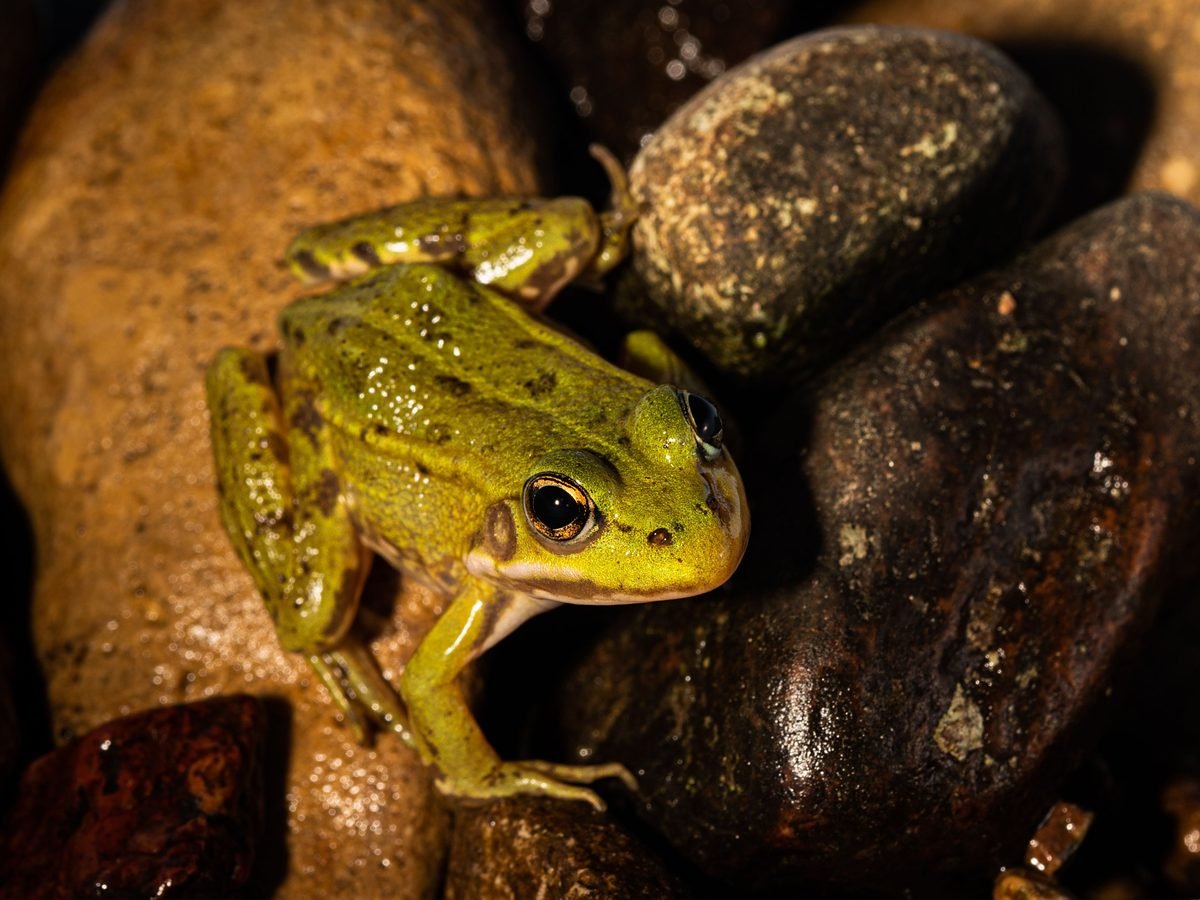
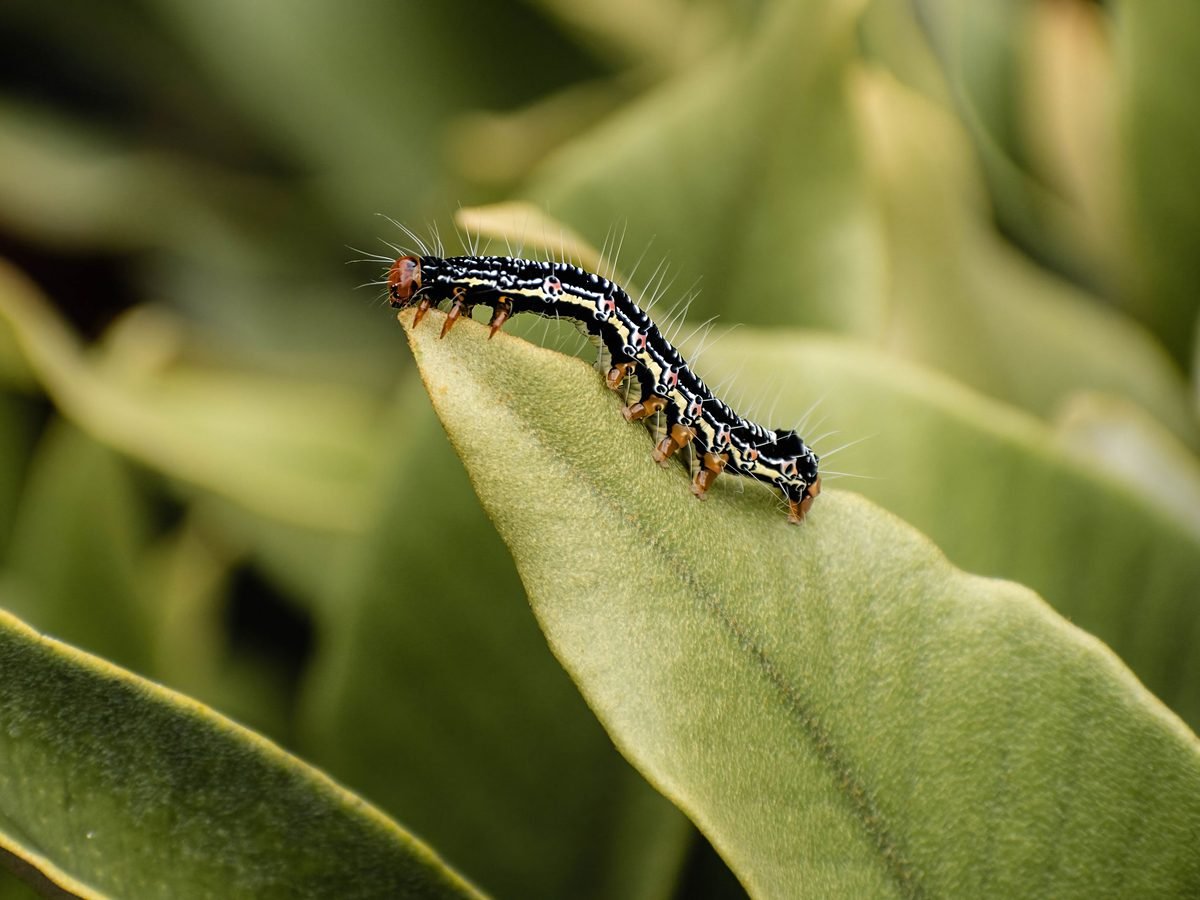
Garden visitors
With the right planting, your garden could soon be buzzing, fluttering and rustling with life.


Let’s create a haven together
Tell us about your garden and the wildlife you would love to see, and we will help you plan it.
Book a free consultation